
America’s commercial dog breeding industry is built on a false narrative.
Underbelly investigates the real story.
The film follows a veteran undercover investigator into the hidden system supplying U.S. pet stores. From commercial breeding operations and transport networks to retail storefronts and overcrowded shelters, the film investigates an industry built on concealment, manufactured trust and the mass production of dogs for profit.

What the industry hides
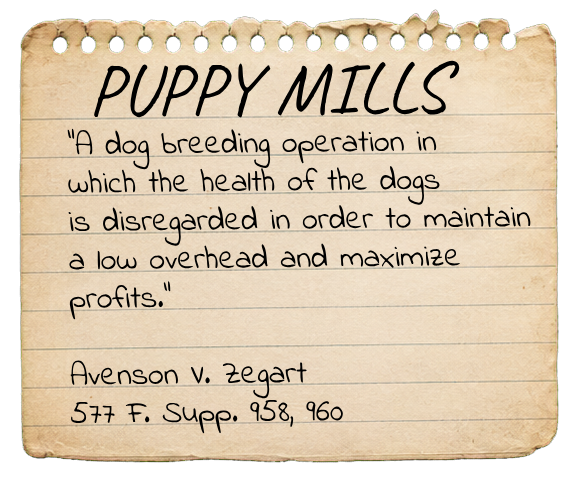
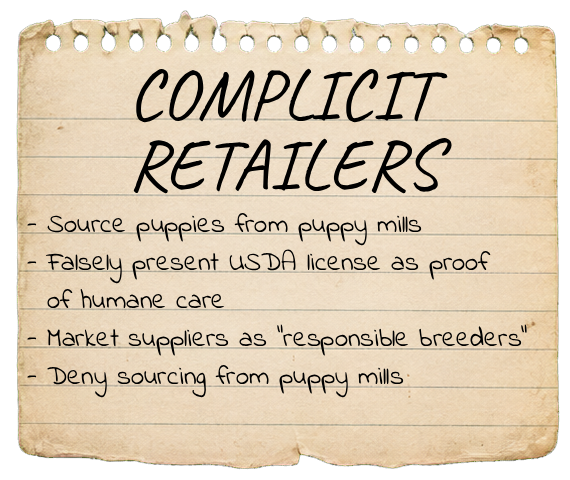
Puppies arrive at the point of sale surrounded by a reassuring story: loving care, healthy animals and responsible sources. Hidden from view are the conditions in which dogs are bred, the intermediaries that obscure their origins and the parent dogs left behind.
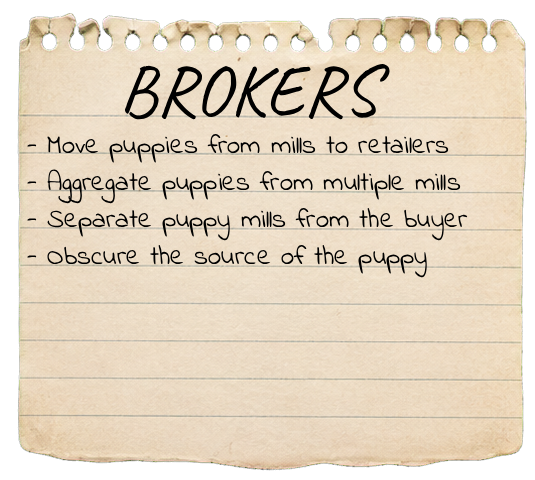
Underbelly traces the system from commercial breeder to broker to retailer, following the records, financial incentives and carefully constructed claims that separate the animal being sold from the conditions in which it was produced.
This separation is no accident. It’s the business model.
Building the case
Our guide is Pete Paxton, a veteran animal-welfare investigator who has spent more than two decades going inside breeding and sales operations that most consumers will never see.
Underbelly follows Paxton as he connects undercover footage, whistleblower accounts, shipping records, veterinary documents and government inspection reports. Each piece of evidence reveals another part of an industry designed to keep responsibility divided and origins difficult to trace.
Paxton gives the investigation its momentum, but the story extends far beyond one investigator. It reaches into retail businesses, lobbying organizations, government agencies, rescue networks and a national animal-welfare movement working to change the system from many different directions.
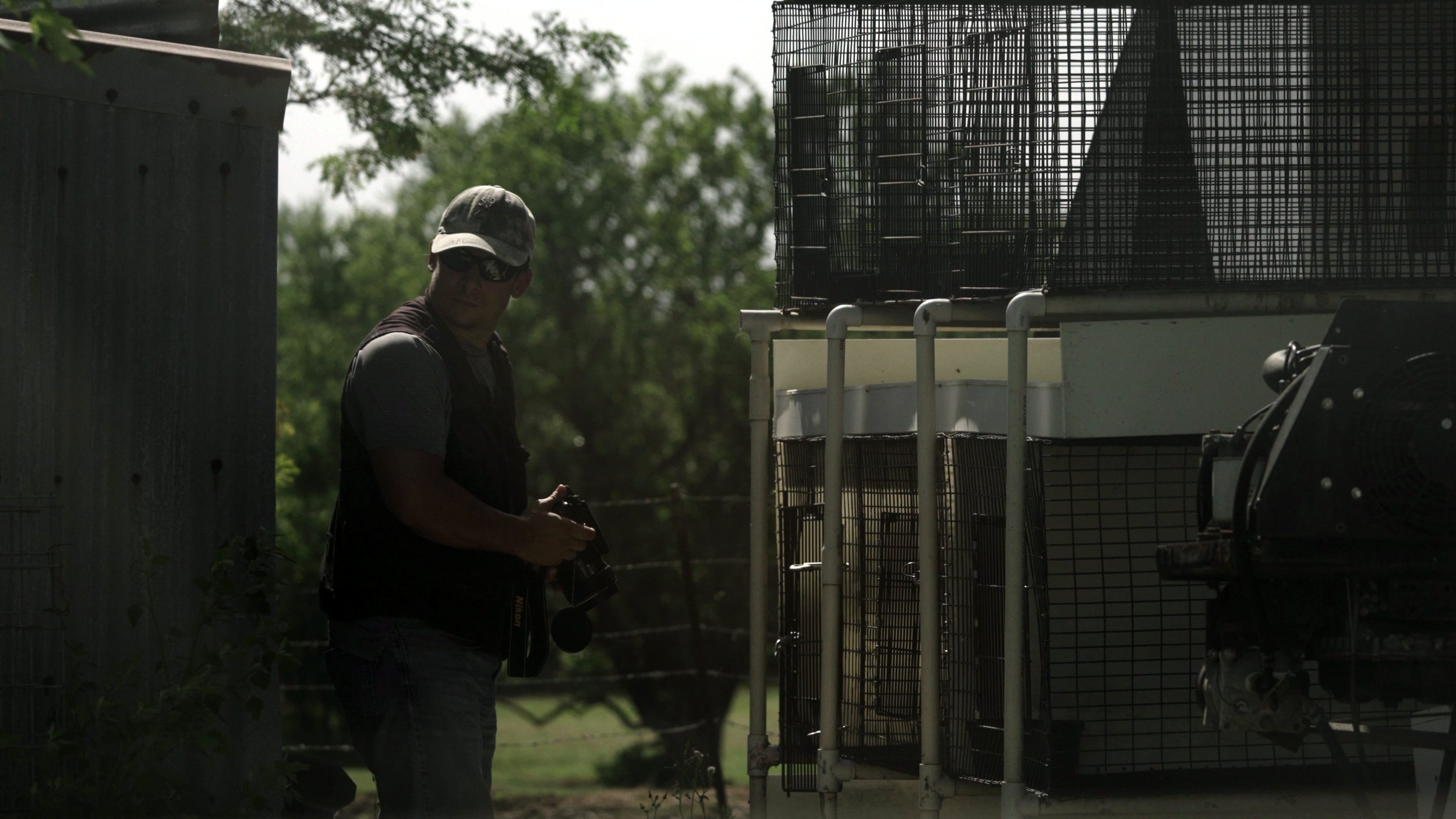
Pete Paxton gathers evidence in the field.
How the system took hold
The commercial dog market did not emerge in isolation. It reflects a longer cultural history of breed preference, status, pet ownership and the transformation of dogs into consumer products.
Efforts to reform that market are equally complex. Investigators, advocates, lawmakers, shelters and rescue organizations have made significant progress, often while pursuing different strategies and competing ideas about what meaningful reform should look like.
Underbelly places Paxton’s investigation within this wider history and the often fragmented movement working to change it.
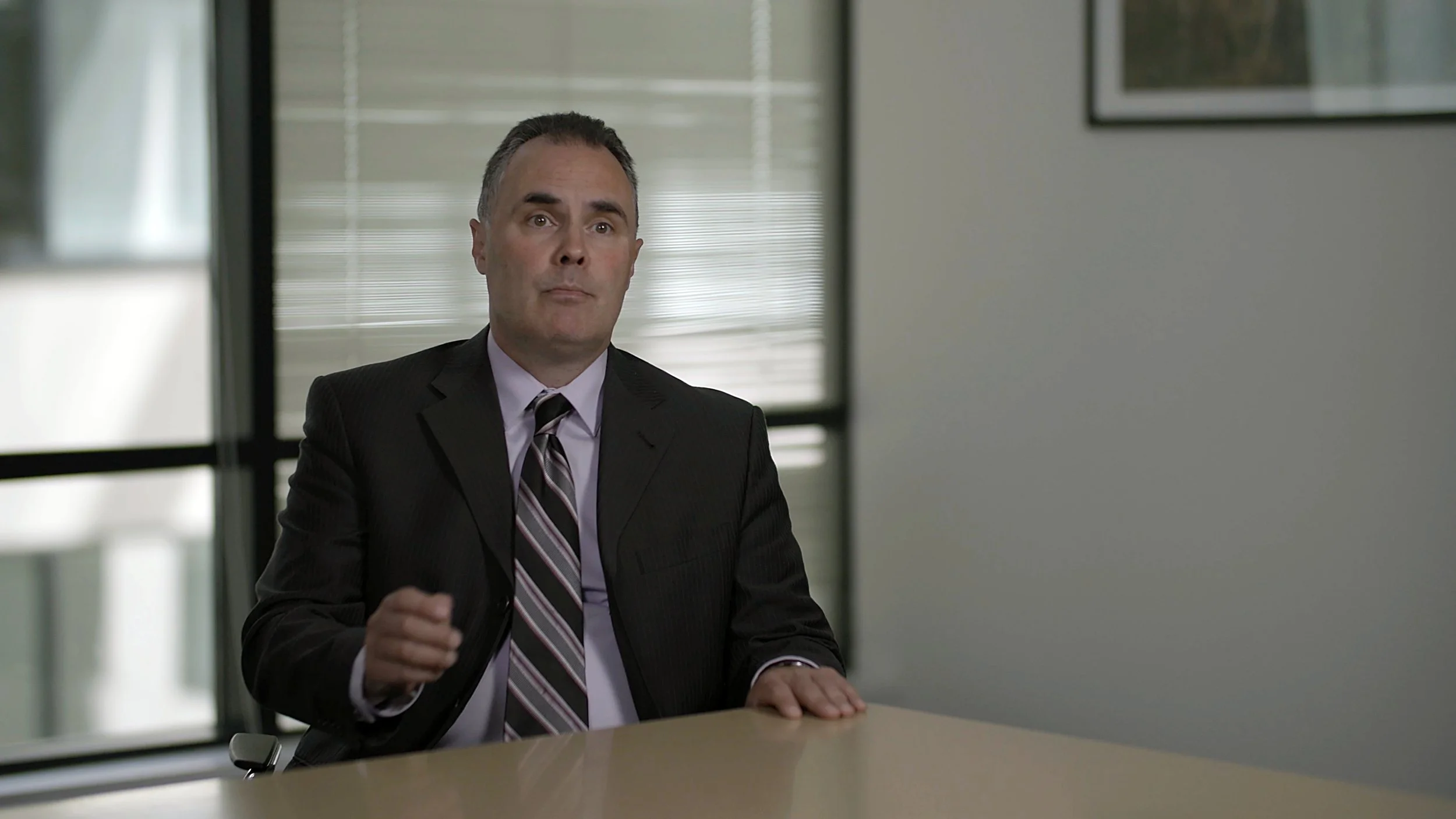
J.P. Goodwin directs Humane World for Animals’ Stop Puppy Mills campaign.
The consequences
The film follows the commercial system beyond the point of sale to the shelters and rescue organizations operating downstream from it.
While communities struggle to place the dogs already in their care, commercial breeding operations continue producing puppies for sale. Shelter overcrowding has many causes, but it cannot be fully understood without examining the larger market that continually produces, promotes and sells more dogs.
Underbelly connects these parts of the story without reducing a complex problem to a single cause.

Whitney Kral of AJK Family Rescue receives puppies from a South Texas shelter where they were scheduled for euthanasia.

Underbelly approaches this subject through suspense, character and the pursuit of evidence.
The film combines vérité filmmaking, undercover footage, public records and expert context with stylized investigative sequences. Rather than dwelling on suffering, it follows the process of uncovering a system and connecting the parts that have been kept separate.
The result is a film designed to engage people who love dogs, including those who may never choose to watch a conventional animal-welfare documentary.
The power to change the market
The commercial breeding industry survives because people continue buying the dogs it produces. But those purchases are often made without a clear view of where the animals came from or what the transaction supports.
Underbelly gives audiences the information needed to see the marketplace clearly. When people choose adoption or insist on genuine transparency about a dog’s origins, they reduce demand for the commercial system that keeps puppy mills in business.
Individual choices can become market pressure. Market pressure can become lasting change.